
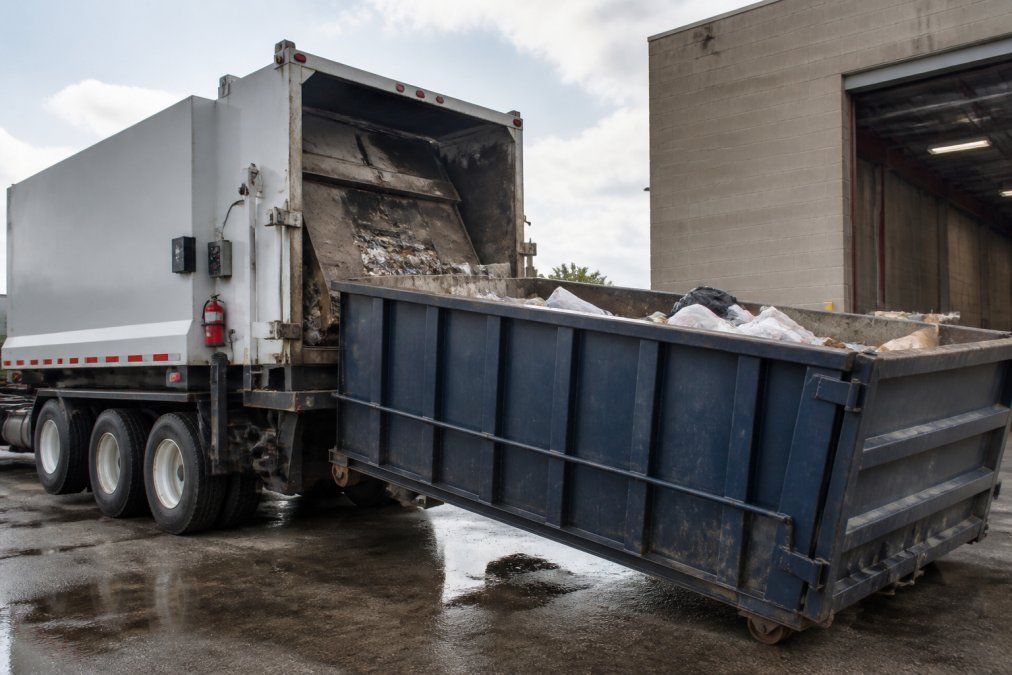
Mobile Dumpster Compaction Service Pricing: 2026 Guide
Table of Contents
- How Mobile Dumpster Compaction Service Pricing Works
- Commercial Waste Management Cost Reduction Through Compaction
- Dumpster Hauling Frequency Optimization and Fee Structures
- Mobile Waste Compaction ROI: Real Savings Calculations
- Service Options: Contract vs. On-Demand Pricing Models
- Hidden Fees and Surcharges to Watch For
- Is Mobile Compaction Right for Your Operation?
- Frequently Asked Questions
Last Updated: September 4, 2026
How Mobile Dumpster Compaction Service Pricing Works
Mobile dumpster compaction service pricing operates on a per-visit model where you pay a service fee each time a mobile compactor arrives at your site to crush waste inside your dumpster. The core concept is straightforward: instead of paying to haul away a partially full dumpster, you compress the waste on-site, which reduces volume by up to 70%, then continue using the same container. This approach fundamentally changes how waste management costs accumulate across your operation.
The pricing structure typically reflects the compaction equipment's capacity, the frequency of visits needed, and regional service availability. Most providers charge per visit rather than monthly subscriptions, which means you control costs by scheduling compaction only when you need it. For operations generating consistent waste streams, this creates predictable expense patterns that are easier to budget around than traditional hauling, where you pay for empty space being transported.
Commercial Waste Management Cost Reduction Through Compaction
Traditional waste management charges by the haul, not by the weight or density of what's inside the container. A half-full dumpster costs nearly as much to pick up as a full one, meaning you're subsidizing empty space on every truck trip. Mobile dumpster compaction service pricing disrupts this model by allowing you to compress waste on-site before the haul occurs, which directly reduces the number of trips your operation requires.
The cost reduction mechanism works through three distinct pathways:
Elimination of Wasted Haul Capacity, Traditional dumpster services charge a flat fee per pickup regardless of how full the container is. If your operation generates 60% of a dumpster's volume per week, you're still paying 100% of the haul cost. Compaction allows you to fit multiple weeks of waste into a single container before requesting pickup, effectively amortizing that haul fee across more actual waste material. For facilities generating steady but moderate waste streams, small manufacturing operations, service shops, or light construction sites, this single factor can reduce total haul costs by 30-50% (the EPA).
Reduction in Overfill Penalties and Emergency Hauls, Many waste management contracts impose surcharges when waste exceeds container capacity, sometimes adding 50% or more to the base haul fee. Additionally, when a dumpster fills unexpectedly, operations must request emergency pickups at premium rates. Compaction eliminates both scenarios by maximizing usable container volume. A facility that previously paid overfill penalties on 2-3 hauls monthly can recoup those costs entirely through compaction, even if the service itself carries a per-visit fee.
Lower Per-Unit Disposal Fees at the Facility, Landfills and transfer stations sometimes charge by weight or by volume. Compaction reduces volume by up to 70%, which can lower per-ton disposal fees if your waste stream is charged volumetrically (peer-reviewed research). This benefit varies by region and waste type, but for operations in areas with high disposal costs, the savings compound.
The strongest candidates for cost reduction are operations with high-volume, consistent waste streams: construction sites managing debris, manufacturing plants processing scrap materials, distribution centers handling packaging, and facilities with multiple waste streams that currently require separate hauls. These operations typically pay substantial monthly hauling fees and benefit most from reducing both haul frequency and overfill penalties.
Operations with minimal waste volume or infrequent haul needs may find that compaction costs exceed savings, since per-visit fees don't scale down for small operations. Similarly, facilities processing waste types that don't compress well, certain liquids, extremely dense materials, or hazardous waste, may see limited volume reduction and therefore limited cost benefit. The key is matching your waste profile to the compaction model: if your current haul frequency exceeds once per week and you generate consistent volume, cost reduction is likely. If you haul monthly or less frequently, compaction may not pencil out financially.
Dumpster Hauling Frequency Optimization and Fee Structures
Optimizing haul frequency is where mobile dumpster compaction service pricing delivers its strongest financial case. Traditional waste management charges you every time a truck arrives, whether your dumpster is 50% full or completely packed. This creates a perverse incentive to delay hauls until you absolutely need them, which ties up yard space and creates operational friction.
Mobile compaction inverts this dynamic. By crushing waste on-site, you extend the interval between hauls without sacrificing yard space or safety. A facility that previously required weekly pickups might reduce that to every 10-14 days after implementing compaction. That single reduction eliminates roughly 4 hauls per month, which translates directly to lower disposal fees.
The fee structure also matters when comparing options. Per-visit compaction pricing is transparent, you know exactly what each visit costs. This contrasts with traditional hauling, where fees often include hidden surcharges: overfill charges when waste exceeds container capacity, fuel surcharges, and disposal facility fees that fluctuate. Understanding your current fee breakdown is essential before evaluating whether compaction makes financial sense for your operation.
Mobile Waste Compaction ROI: Real Savings Calculations
Calculating return on investment for mobile dumpster compaction service pricing requires understanding your baseline costs. Start by documenting your current waste hauling expenses over a three-month period: total haul fees, overfill charges, and any fuel or facility surcharges. This gives you a realistic monthly baseline.
Next, estimate how mobile compaction would change your haul frequency. If you currently request pickups weekly and compaction reduces that to every 10 days, you're eliminating roughly 4 hauls monthly. Multiply your per-haul cost by those eliminated trips to calculate potential savings from frequency reduction alone. Then factor in eliminated overfill charges, if your operation currently pays penalties for exceeding container capacity, compaction removes that expense entirely.
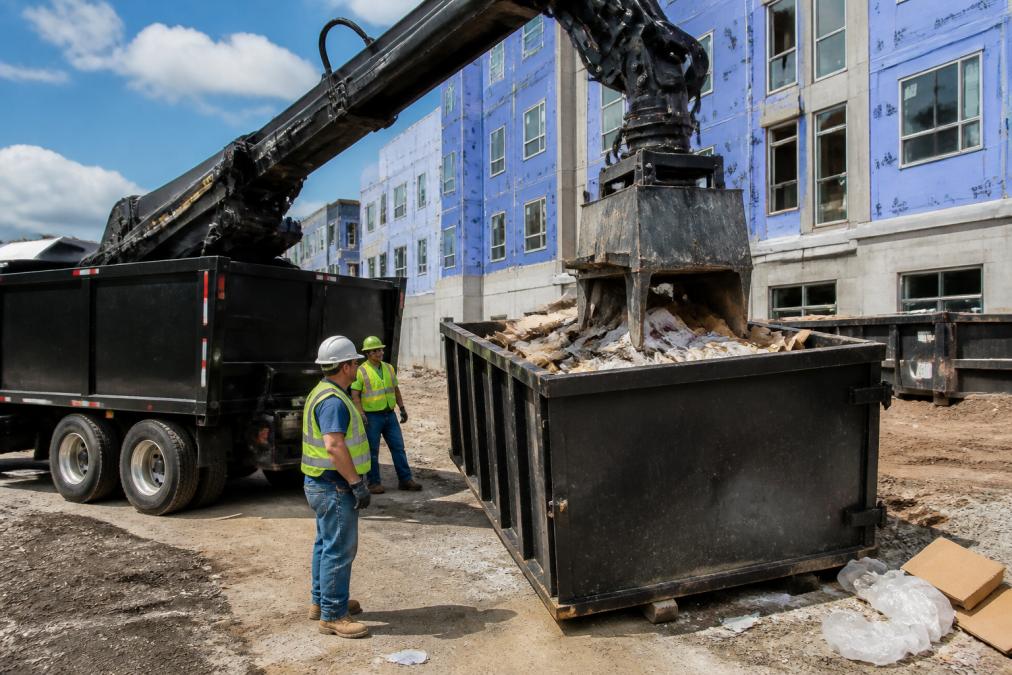
The ROI calculation becomes concrete when you subtract compaction service fees from total savings. If compaction visits cost less than the hauls you eliminate, and you reduce overfill penalties, the math supports investment. Many operations discover that compaction pays for itself within the first month of implementation, with ongoing savings thereafter. The key is ensuring your waste volume and current haul frequency create a situation where compaction visits cost less than the hauls they replace.
Service Options: Contract vs. On-Demand Pricing Models
Two primary pricing approaches exist for mobile dumpster compaction services: contract-based arrangements and on-demand scheduling.
Contract models typically involve committing to regular visits, weekly or bi-weekly compaction on a fixed schedule. This approach offers price predictability and ensures consistent waste volume reduction. You know exactly when service arrives and what you'll pay monthly. For facilities with steady, predictable waste streams, contracts can deliver the lowest per-visit cost because providers can efficiently route multiple scheduled stops.
On-demand pricing lets you schedule compaction visits only when your waste reaches a certain level. This flexibility appeals to operations with variable waste generation. You call when you need service, pay per visit, and avoid paying for visits you don't need. The trade-off is that per-visit costs on-demand typically exceed contract rates, since providers absorb less routing efficiency.
| Service Model | Best For | Cost Structure | Commitment |
|---|---|---|---|
| Contract | Predictable waste volumes, steady operations | Fixed monthly fee, lower per-visit cost | Minimum term (typically 3-12 months) |
| On-Demand | Variable waste, seasonal operations, testing | Per-visit fee, higher per-visit cost | No commitment, schedule flexibility |
The choice depends on your operation's predictability. If you generate consistent waste daily, a contract usually delivers better value. If your waste fluctuates seasonally or varies by project, on-demand pricing avoids paying for unused services.
Hidden Fees and Surcharges to Watch For
Mobile dumpster compaction service pricing aims to be more transparent than traditional hauling, but several surcharges and hidden costs can inflate your actual per-visit expense if you don't account for them upfront. Understanding these costs before signing a contract is essential for accurate ROI calculations.
Service Area and Travel Surcharges, Most compaction providers define a standard service zone, typically a 15-30 mile radius from their facility. If your operation sits outside this zone, expect additional fees for extended travel time and fuel. These surcharges can range from a flat $50-$200 per visit depending on distance, or sometimes a percentage markup on the base service fee. Request a map of the provider's service area and confirm your facility's location before requesting a quote. If you're borderline, ask whether committing to a contract (weekly or bi-weekly service) qualifies you for a reduced travel surcharge.
After-Hours and Weekend Premiums, If your operation generates waste outside standard business hours or requires weekend compaction, most providers charge 25-50% premiums on top of the base per-visit fee. This matters for 24-hour manufacturing facilities, construction sites working multiple shifts, or operations that generate sudden waste spikes on weekends. Clarify your typical compaction timing during the quote phase; if you need flexibility, factor premium pricing into your ROI model.
Waste-Type Restrictions and Specialized Handling Fees, Certain materials compress poorly or require special handling, which can trigger surcharges or service refusals. Wet waste, certain metals, or materials that jam compactor mechanisms may incur additional fees or be excluded entirely. Some providers charge extra for processing difficult waste types. Request a detailed list of acceptable and restricted waste materials, and confirm whether your operation's primary waste stream qualifies for standard pricing.
Minimum Service Fees, Many compaction providers establish a floor cost per visit, meaning you cannot reduce your bill by requesting a very short compaction session. Minimum fees typically range from $75-$150 per visit, regardless of how little waste you actually compact. This matters if your operation's waste generation is highly variable; on low-volume weeks, you may pay the minimum even though the compactor runs for only 10 minutes. Understand the minimum fee structure before committing, and factor it into your cost model for low-volume scenarios.
Equipment Access and Site Setup Fees, If your dumpster location requires special staging, extended setup time, or difficult access (narrow alleys, steep grades, obstructed sightlines), some providers charge equipment mobilization fees ranging from $50-$200 per visit. Tight yard layouts, multi-story facilities, or locations requiring traffic control may trigger these charges. Walk your provider through your site layout during the quote phase and ask explicitly whether access fees apply.
Fuel Surcharges and Market-Based Adjustments, Some compaction providers include fuel surcharges that fluctuate with diesel prices, similar to traditional hauling. These are typically passed through monthly and can add 5-15% to your base costs during periods of high fuel prices. Request clarity on whether fuel surcharges apply to your contract and how they're calculated.
Comparison to Traditional Dumpster Service Hidden Costs, It's worth noting that traditional dumpster hauling carries its own hidden costs: overfill charges (often 50-100% of the base haul fee), fuel surcharges, disposal facility fees, and environmental compliance surcharges. Mobile compaction's transparency advantage is that most of these surcharges are eliminated entirely. You don't pay overfill penalties because compaction maximizes container use. You don't pay disposal facility fees because the compaction provider typically handles that as part of the service. The trade-off is that compaction introduces its own surcharges (travel, access, waste-type handling), but these are typically fewer and more predictable than traditional hauling.
How to Extract a Complete Quote, Request a written quote that itemizes every potential charge: base per-visit cost, all applicable surcharges (travel, after-hours, waste-type handling), minimum fees, equipment access fees, and any contract-based discounts. Ask the provider to confirm your facility's service-area classification and whether your primary waste stream qualifies for standard pricing. Request a sample invoice showing how charges would appear on your monthly bill. This transparency prevents billing surprises and allows you to compare quotes accurately across multiple providers. A provider unwilling to provide a detailed, itemized quote in writing is a red flag; reputable compaction services welcome this level of transparency because it builds trust and reduces post-sale disputes.
Is Mobile Compaction Right for Your Operation?
Determining whether mobile dumpster compaction service pricing makes financial sense requires honest assessment of your current waste management situation. The service works best when you meet several conditions: your operation generates consistent waste volume, your facility has adequate yard space for a compactor truck to access your dumpster, and your current haul frequency exceeds once per week.
Operations with tight yard layouts may find compaction impractical, the mobile equipment requires clear access routes and staging area. Similarly, if your waste volume is minimal and you haul infrequently, compaction costs likely exceed savings. Facilities processing waste types that don't compress well, such as certain liquids or extremely dense materials, may also find limited value.
The strongest candidates for mobile compaction are construction sites managing debris, manufacturing plants handling scrap materials, and distribution centers processing packaging waste. These operations typically generate high volumes, pay substantial haul fees, and benefit most from reducing both haul frequency and overfill penalties. If your operation fits this profile and your current waste management represents a meaningful expense, exploring mobile dumpster compaction service pricing through Junk Crusher makes financial sense.
Frequently Asked Questions
How does mobile dumpster compaction service pricing compare to renting extra dumpsters?
Mobile dumpster compaction pricing typically operates on a per-visit fee basis, while extra dumpster rentals charge ongoing rental rates. Compaction reduces the volume of waste requiring hauling, which means fewer total hauls needed. The actual cost difference depends on your waste volume, haul frequency, and local disposal fees. Contact providers for a detailed comparison based on your specific waste stream to see real numbers for your operation.
What factors influence the cost of on-site waste compaction?
Key factors include waste type (construction debris, shingles, and industrial waste have different densities), compaction ratio achieved, service frequency, equipment availability in your region, and distance from the provider's base. Sites with tight access or safety constraints may incur additional fees. Volume reduction potential varies by waste stream, roofing debris and dense materials compact more effectively than lighter waste, affecting the ROI of each service visit.
Can mobile dumpster compaction work for all types of commercial waste?
Mobile compaction works well for most commercial waste streams, including construction debris, shingles, demolition material, and manufacturing waste. However, some materials, like liquids, hazardous waste, or items requiring special handling, may not be suitable. Providers typically evaluate your waste stream before committing to service. Discussing your specific waste type with a provider ensures compatibility and confirms whether compaction will deliver the volume reduction you need.
How much can we reduce dumpster haul frequency with compaction?
Waste volume reduction through compaction typically ranges from 50-70%, which directly translates to fewer required hauls. If your operation currently needs three hauls per week, compaction might reduce that to one haul weekly, depending on waste density and compaction equipment capability. The actual reduction depends on your waste type, dumpster size, and how frequently you generate waste. A waste management audit of your current operation helps calculate realistic haul frequency improvements.
Reducing waste management overhead requires rethinking how you handle volume. Mobile dumpster compaction service pricing from Junk Crusher addresses this directly by compressing waste on-site, reducing haul frequency, and eliminating overfill charges. Our mobile compaction service reduces roll-off dumpster volume by up to 70% while delivering up to 56% reduction in dumpster fees for operations that qualify. Get started with Junk Crusher and transform how your facility manages waste.
This article was written using GrandRanker


